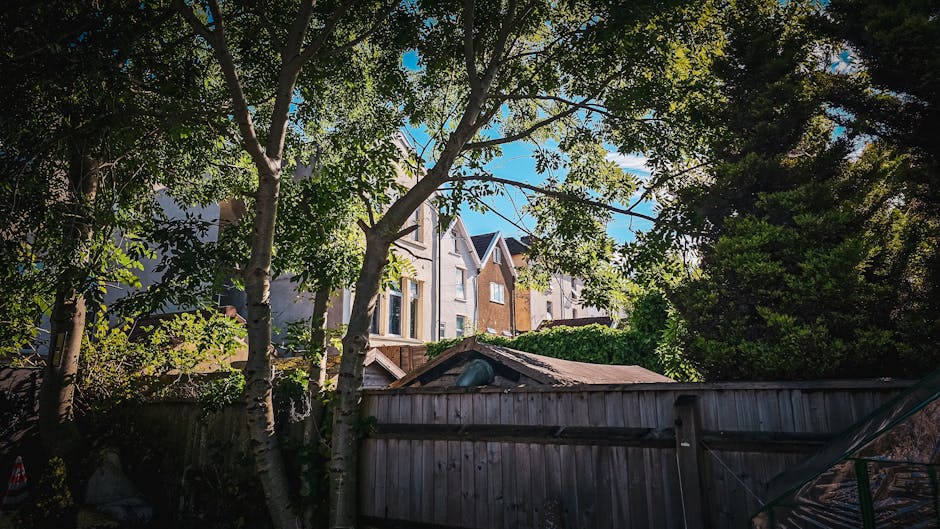
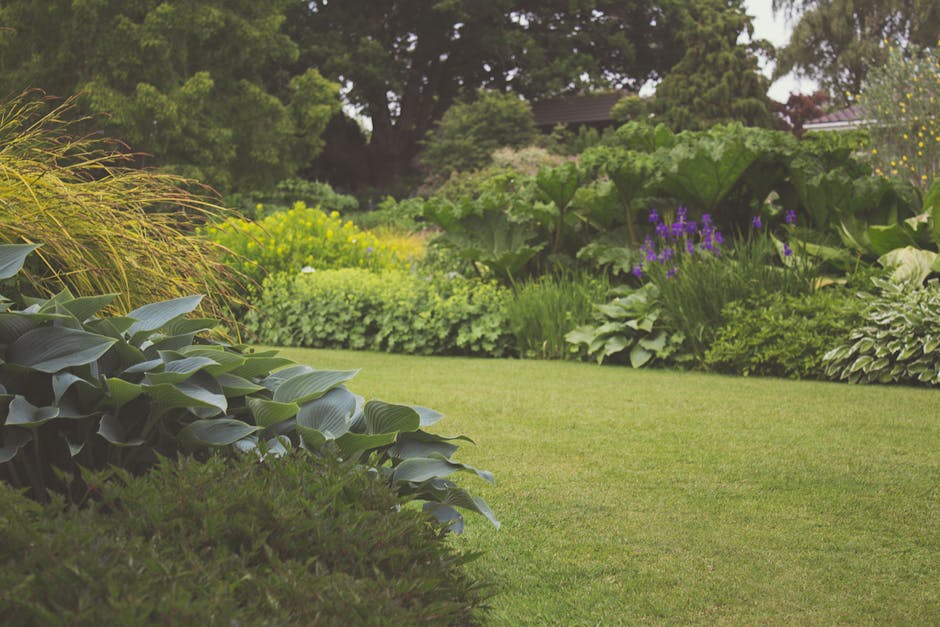
Northolt gardeners for small yards near Northolt station: smart ideas for compact outdoor spaces
If you live close to Northolt station and your garden feels more like a pocket-sized courtyard than a full-sized yard, you are not alone. Many local homes have narrow strips, shaded corners, paved patches, or oddly shaped spaces that need careful thinking rather than a big dramatic overhaul. The good news? With the right Northolt gardeners for small yards near Northolt station, even the smallest outdoor area can become tidy, useful, and genuinely pleasant to spend time in.
This guide is for homeowners, renters, landlords, and anyone trying to make a compact Northolt garden work harder without making it feel cramped. We will look at what small-yard gardening actually involves, how professional help works, what results are realistic, and which design choices make the biggest difference. You will also find practical steps, common mistakes, a comparison table, and a few local-friendly ideas that keep things simple. Nothing fancy for the sake of it. Just useful, workable advice.
Table of Contents
- Why Northolt gardeners for small yards near Northolt station Matters
- How Northolt gardeners for small yards near Northolt station Works
- Key Benefits and Practical Advantages
- Who This Is For and When It Makes Sense
- Step-by-Step Guidance
- Expert Tips for Better Results
- Common Mistakes to Avoid
- Tools, Resources and Recommendations
- Law, Compliance, Standards, or Best Practice
- Options, Methods, or Comparison Table
- Case Study or Real-World Example
- Practical Checklist
- Conclusion
- Frequently Asked Questions
Why Northolt gardeners for small yards near Northolt station Matters
Small gardens need a different mindset. In a large yard, you can afford to hide awkward corners, experiment with oversized planting, or leave a section for future plans that never quite happen. In a compact Northolt space, every square metre matters. That is especially true near Northolt station, where many gardens are close to neighbouring properties, paved access routes, or busy day-to-day routines. You want a garden that feels calm, not cluttered.
Northolt gardeners who regularly work on small yards understand the practical limits of these spaces. There is rarely room for broad lawn areas, heavy structural features, or planting that needs constant maintenance. Instead, the focus is usually on clean layout, smart planting, privacy, and easy upkeep. A good result should make the garden feel larger than it is. That sounds simple, but it takes real judgement.
There is also a lifestyle angle. A compact yard can become a breakfast spot, a place for children to play safely, somewhere for a dog to potter about, or just a greener view from the kitchen window. Truth be told, even a tidy patch of paving can feel a lot better when the edges are soft, the planting makes sense, and you are not staring at weeds every weekend.
For many local homeowners, the issue is not lack of interest. It is lack of time, space, or a clear plan. That is where specialist help earns its keep. If you want to explore broader support too, the general gardening services page is a useful starting point, especially if your small yard needs more than a quick tidy-up.
How Northolt gardeners for small yards near Northolt station Works
Working on a small yard starts with observation. A gardener will usually look at sun and shade, soil condition, drainage, privacy issues, access points, and how you actually use the space. In a compact setting, those details matter more than they might in a larger garden. A patch that gets afternoon shade, for example, needs a very different planting approach from a hot, south-facing yard.
The next step is making the layout work harder. That may mean reducing visual clutter, defining one or two clear zones, and choosing features that serve more than one purpose. A bench with storage, a raised planter that hides an uneven edge, or a narrow border with seasonal planting can all make the garden feel intentional. Not busy. Intentional.
Many small-yard projects also rely on practical maintenance rather than one-time transformation. A lot of compact gardens near the station benefit from recurring help with mowing, hedge shaping, edging, leaf clearance, patio cleaning, and light pruning. Regular garden maintenance keeps the space from slipping back into messiness, which is easy to do in a small area where every weed seems to shout for attention.
In some cases, the job is partly about the hard landscaping. If the yard needs new boundaries, smarter access, or a better surface underfoot, services such as landscaping, patio cleaning, or fencing may become part of the plan. Small gardens are often improved most by removing the things that visually shrink them: broken edges, tired surfaces, and overgrown plants that eat the light.
Key Benefits and Practical Advantages
The biggest advantage of hiring Northolt gardeners for a small yard is precision. Small spaces do not forgive sloppy work. A hedge cut too hard, a border planted too densely, or a lawn left patchy can make the whole garden feel unbalanced. Careful work avoids that and gives the yard a sharper finish.
Here are the benefits most people notice first:
- More usable space: a tidy layout makes the garden feel wider and easier to move through.
- Less maintenance pressure: smart planting and good surfaces reduce weekly chores.
- Better privacy: compact gardens often need screening without creating a boxed-in feel.
- Improved first impressions: a neat front or back yard lifts the whole property.
- Safer surfaces: regular cleaning helps reduce slippery moss, algae, and debris.
There is also a psychological benefit, and it is not trivial. A small yard that looks under control can make a home feel calmer. You step outside in the morning, see clean lines and healthy growth, and the day starts better. A bit dramatic perhaps, but not by much.
If privacy is a concern, a well-planned boundary planting or hedge can help without swallowing the space. For example, the article on fast-growing hedge types for privacy is useful if you want screening that suits a tighter footprint. Likewise, if your yard gets awkward shade, the guide on shade-tolerant climbing evergreens can spark practical ideas for vertical interest.
Who This Is For and When It Makes Sense
This kind of gardening support makes sense for a few different people. Some are busy commuters who barely get time to sort the garden between work, family life, and, let's face it, everything else. Some are landlords who want a tidy outdoor space without having to chase constant repairs. Some are older residents who can manage bits and pieces but no longer want the bending, lifting, and ladder work.
It is also a good fit if your garden has one of these problems:
- narrow access or an awkward shape
- too much paving and not enough planting structure
- patchy grass that is hard to keep healthy
- plants that outgrew the space years ago
- privacy issues from nearby homes or foot traffic
- wet, windy, or shaded conditions that limit what will thrive
Sometimes people wait too long because they think the yard is "too small to bother with". Honestly, that is usually when it needs help most. Small gardens show neglect quickly, but they also respond quickly to good work. A few smart changes can produce a noticeable improvement in a single visit.
If your outdoor area is used by children or pets, the layout matters even more. The articles on creating a child-friendly garden and balancing plants and pets are handy if your yard needs to work around family life rather than a perfect design concept.
Step-by-Step Guidance
Here is a practical way to approach a small-yard makeover without overcomplicating it.
- Start with a full clear-out. Remove broken pots, dead growth, old furniture, and anything that blocks movement or light. You want to see the bones of the space first.
- Measure the real usable areas. A tiny yard can have surprisingly good zones if you stop judging it by the whole footprint. The back corner, side strip, and wall line may all serve different jobs.
- Decide the main function. Ask what matters most: seating, storage, greenery, privacy, or easy maintenance. You can have more than one goal, but one should lead.
- Fix the hard surfaces. Clean patios, repair broken edging, and make sure drainage is not creating standing water. If the paving is tired, the whole garden feels older than it is.
- Choose planting with restraint. In a small space, fewer plant types often look better than a crowded mix. Use repetition to create calm.
- Add height, not bulk. Vertical planting, climbers, and slim trellis structures can give depth without stealing floor space. The guide on vertical gardening is a strong reference point here.
- Finish with maintenance rhythm. Schedule regular pruning, lawn care, or sweeping before the garden becomes a seasonal job that feels bigger than it should.
A useful rule of thumb: if a feature does not improve either space, privacy, or ease of care, it probably does not belong in a small yard. That is blunt, but it saves money.
Expert Tips for Better Results
Small-yard gardening is often about editing rather than adding. You will usually get a better result by removing one awkward thing than by buying three new ones. Here are a few practical tips that come up again and again.
1. Use repeated materials. One paving style, one or two container finishes, and a limited colour palette help the yard feel larger and less fragmented.
2. Think in layers. Low planting near paths, mid-height shrubs in borders, and taller screening on the perimeter create depth. The eye moves naturally through the space instead of hitting one flat wall of green.
3. Keep the edges crisp. In a compact yard, edging matters more than people expect. Clean lines make everything else look better. A neat border can do more than a lot of decorative extras. Really.
4. Choose tough plants first, pretty plants second. Small gardens near stations often face wind, dust, shade, or drying conditions. Good-looking plants are great, but they need to survive the site. If a plant is fussy, it may end up becoming your weekend problem.
5. Use containers wisely. Containers are brilliant for flexibility, but too many can make a small yard feel crowded. One or two well-placed groupings usually work better than a scattered collection.
6. Plan for year-round structure. Evergreen shapes, bark texture, wall climbers, and winter-interest planting stop the garden from looking bare in colder months. There is a nice article on protecting plants in harsh winter conditions if you want to keep things resilient through the season.
A small note from experience: if you are not sure where to start, begin at the edges. Tidying borders, fences, and paving lines often gives a quicker visual win than replanting everything. And people do notice that win, even if they cannot explain why.
Common Mistakes to Avoid
Small gardens are easy to overthink and even easier to overfill. One of the most common mistakes is trying to cram too many ideas into one modest space. That usually leads to no clear focal point, no practical seating area, and a lot of maintenance. Not ideal.
Other mistakes include:
- Using plants that grow too large: fast spreaders can overwhelm a yard within a season or two.
- Ignoring shade and drainage: a plant that looks good in a catalogue may sulk badly in a damp corner.
- Leaving surfaces untreated: mossy paving, stained decking, or grubby patios make the garden feel neglected.
- Building features without scale: oversized furniture can block movement and reduce the usable area.
- Forgetting maintenance access: if you cannot reach a border properly, it will become a weed trap.
Another subtle mistake is making everything match too perfectly. That sounds neat in theory, but it can strip away warmth. A small amount of variation, used carefully, keeps the space from looking showroom-flat. A little life helps.
If weeds are one of your recurring headaches, the advice in three key tips for tackling weeds can help you think about prevention rather than endless catch-up work. That tends to be the real battle in smaller yards.
Tools, Resources and Recommendations
You do not need a van full of specialist kit to improve a small yard, but a few reliable tools make the work cleaner and easier. For homeowners who like to do some maintenance themselves, basic hand tools, a good pair of gloves, secateurs, a stiff broom, and a light-practice watering can are often enough for routine care.
The guide on basic gardening tools for enthusiasts on the go is worth a look if you want a simple kit that does not take over the shed. For seasonal tidying, a rake, bucket, edging tool, and pruning saw may also be useful.
For more specialist work, gardeners often draw on a mix of services depending on the job. In a small yard, these are the ones most likely to matter:
- lawn mowing for keeping compact grass areas neat and level
- lawn care for feeding, scarifying, and improving patchy grass
- hedge trimming in Northolt for tight boundaries and better shape control
- tree surgery if a tree is shading the yard too heavily or crowding the light
- decking services where a small raised platform may improve usability
For people trying to improve a garden on a tighter budget, the article on budget-friendly yard ideas offers useful low-cost thinking without pushing you into unnecessary spending. That can be a relief, honestly.
Law, Compliance, Standards, or Best Practice
For most small-yard gardening projects, there is no complicated compliance burden, but best practice still matters. If work involves tools, ladders, cutting equipment, waste removal, or access through shared areas, it should be done carefully and safely. That is just common sense, but common sense is sometimes what gets forgotten.
In the UK, householders usually need to think about a few practical points:
- Safe access: paths, steps, and narrow routes should stay clear during work.
- Waste handling: green waste and bulky debris should be managed responsibly.
- Neighbour awareness: in tightly packed streets, noise and overspray can matter more than people expect.
- Plant and tree safety: larger pruning or tree-related work should be handled with care and proper judgement.
If you are hiring help, it is reasonable to ask about insurance, health and safety procedures, payment security, and what happens if there is a problem with the work. A professional outfit should be comfortable discussing these basics. Pages such as insurance and safety, health and safety policy, and payment and security exist for a reason: trust matters as much as trimming.
If you want to understand how the service provider handles concerns or disputes, it is sensible to review complaints procedures and terms and conditions before agreeing to anything. Not exciting, no, but helpful.
Options, Methods, or Comparison Table
There are a few different ways to improve a small garden near Northolt station. The best option depends on how much work the yard needs, how often you want to maintain it, and whether the priority is appearance, function, or both.
| Approach | Best for | Main benefit | Watch out for |
|---|---|---|---|
| Basic tidy and maintenance | Yards that are mostly usable already | Fast improvement with low disruption | May not fix deeper layout issues |
| Planting refresh | Gardens that feel bare, messy, or unbalanced | Better colour, structure, and seasonal interest | Needs the right plant selection for the site |
| Small-scale landscaping | Spaces with awkward layout or poor surfaces | Improves function and visual flow | Can cost more and needs planning |
| Regular service plan | Busy households and landlords | Keeps the garden looking good all year | Works best with a clear schedule |
If you are deciding between a one-off job and ongoing support, ask yourself a simple question: do you want the garden to look better once, or stay better? That answer usually points you in the right direction.
Case Study or Real-World Example
A typical small-yard project near Northolt station might involve a narrow back garden with patchy grass, a slightly tired patio, and a fence line that makes the whole place feel darker than it should. Nothing disastrous. Just one of those spaces that quietly drains your motivation every time you look outside.
In a case like that, the first job is often a full reset: cut back overgrowth, remove dead planters, clear the paving, and define the edges. Then the gardener might simplify the planting, add a few evergreen shapes, and choose one climbing plant to lift the height along a wall or fence. If the patio is sound, a clean could instantly brighten the area. If the lawn is too patchy, a switch to low-maintenance planting or ground cover can be a better long-term choice than forcing grass to keep going when it clearly does not want to.
After that, the space usually feels more open. Not bigger, obviously. But better. The difference is in how your eye moves through it. The garden stops feeling like a list of problems and starts feeling like a room outdoors.
If the design leans more decorative than practical, there are useful supporting ideas in the articles on garden seating zones and ground covers for a UK garden oasis. If you want a more restful mood, the piece on designing a peaceful zen garden space is a useful companion read.
Practical Checklist
Use this checklist before you book help or start the job yourself.
- Identify the main purpose of the yard: relaxing, low maintenance, play, pets, or privacy
- Measure the space and note sunny, shady, windy, and damp areas
- Remove clutter, dead plants, and broken materials
- Check whether the patio, fence, or lawn needs cleaning or repair
- Decide if you want planting, hard landscaping, or just maintenance
- Choose plants that suit compact spaces and local conditions
- Leave enough access for pruning and cleaning later on
- Ask about insurance, payment terms, and safety procedures
- Plan for seasonal maintenance, not just one-off improvement
- Keep the design simple enough to live with week after week
Expert summary: In a small yard, the best work is usually the work you barely notice at first glance. Clean lines, sensible planting, a calm layout, and regular upkeep do more than any oversized feature ever could.
Get a free quote today and see how much you can save.
Conclusion
Small gardens near Northolt station can be beautiful, useful, and surprisingly relaxed once they are given the right structure. The trick is not to treat them like mini versions of large gardens. They need sharper choices, simpler layouts, and maintenance that fits real life. Done well, the result feels easy to live with, which is what most people really want.
If your yard has been sitting at the bottom of the to-do list, start with the biggest pain point first: clutter, overgrowth, poor surfaces, or lack of privacy. Once that is addressed, everything else becomes easier to judge. And if you want support from gardeners who understand small-space work, local conditions, and the realities of busy Northolt households, it is worth taking the next step sooner rather than later.
There is something genuinely satisfying about opening the back door and seeing a space that feels calm instead of chaotic. Small, yes. But still yours.
Frequently Asked Questions
What do Northolt gardeners for small yards near Northolt station usually do first?
They normally start with a site check, a clear-out, and a simple plan for space, light, access, and maintenance. That helps them avoid overloading a compact garden with the wrong features.
Can a very small yard still look impressive?
Absolutely. In fact, small yards often look more polished when the layout is clean and the planting is restrained. A few strong design choices can go a long way.
Is regular maintenance better than a one-off makeover?
It depends on the garden, but regular maintenance is usually the smarter option if you want the space to stay tidy. A one-off overhaul helps, but compact gardens can slip back quickly without follow-up care.
What plants work best in a small Northolt garden?
Usually plants that stay compact, tolerate your light conditions, and do not need constant fussing. Evergreen structure, climbers, and select containers often work well, but the exact mix depends on the site.
How can I make a small garden feel larger?
Use fewer materials, keep lines clean, add vertical interest, and avoid overfilling the space. Clear edges and repeated shapes help the eye move more freely.
Do small yards need lawn care?
Only if you have a lawn worth keeping. In some tiny gardens, grass is more trouble than it is worth, and a more practical surface or planting scheme may be the better choice.
What if my yard is mostly shade?
Then shade-tolerant planting, climbers, and structural evergreens become more important. Shade is not a dead end, but it does narrow the plant choices.
Are small-yard gardening services useful for landlords?
Yes. A compact garden can still affect property presentation, tenant satisfaction, and how manageable the space is between lets. Regular upkeep often makes sense.
How often should a small garden near the station be maintained?
There is no single rule, but many small gardens benefit from attention every few weeks during growing season. The right schedule depends on planting, surfaces, and how quickly the space grows.
Should I choose landscaping or maintenance first?
If the layout is fundamentally poor, start with landscaping. If the structure is fine but the garden looks neglected, maintenance may be enough. Sometimes the answer is a bit of both.
How do I check whether a gardener is trustworthy?
Look for clear communication, sensible pricing, insurance and safety information, and straightforward terms. A reliable provider should be easy to speak to and clear about what is included.
Where can I get help or ask for a quote?
The simplest next step is to contact the team directly through the site and explain the size of your yard, the main problems, and what you would like to achieve. The clearer you are, the better the advice will be.